
Published in the Journal of Organizational Behavior and Human Productivity, Vol. 14, Issue 2
A groundbreaking new study out of the Halverson Institute for Workplace Psychology at the University of Northern Behavioral Sciences is challenging everything we thought we knew about professional boundaries — and the findings may surprise you.
According to lead researcher Dr. Patricia Emmonds, teams that engage in shared emotional release, specifically crying, demonstrate up to 47% higher productivity, stronger interpersonal bonds, and significantly lower turnover rates than their stoic counterparts.
The Case for the Corporate Crying Room
Based on these findings, Dr. Emmonds and her colleagues are now recommending that forward thinking organizations designate a specific physical space for shared emotional release. Think of it as a conference room, but softer.
“We are calling it the Vulnerability Vestibule,” says Dr. Emmonds. “Ideally it is a small, private room with dim lighting, comfortable seating, perhaps a box of tissues and some ambient nature sounds. Two to four colleagues enter, allow themselves to be emotionally present with one another, and then return to their desks. The whole process takes maybe ten minutes and the neurochemical benefits last for weeks.”
Early adopters of the Vulnerability Vestibule model include several Fortune 500 companies who declined to be named but confirmed in anonymous surveys that since implementing designated crying spaces, interdepartmental conflict had dropped by 31% and voluntary turnover had reached historic lows.
Dr. Emmonds is careful to note that the crying room is not a therapy space and not a place for individual breakdown. “This is not about falling apart alone,” she explains. “The entire neurological benefit depends on the shared experience. You need a witness. That is the whole point. One colleague, two colleagues, a small team. You enter together, you feel together, you leave together. That is where the magic happens.”
Several workplace architects are already beginning to incorporate Vulnerability Vestibule design into corporate office planning, citing increased demand from HR departments who have read the study and want to get ahead of what some are calling the next major shift in workplace culture.
“The ping pong table had its moment,” says workplace designer Garrett Folsom of the Boston based firm Folsom and Hale. “We believe the crying room is next.”
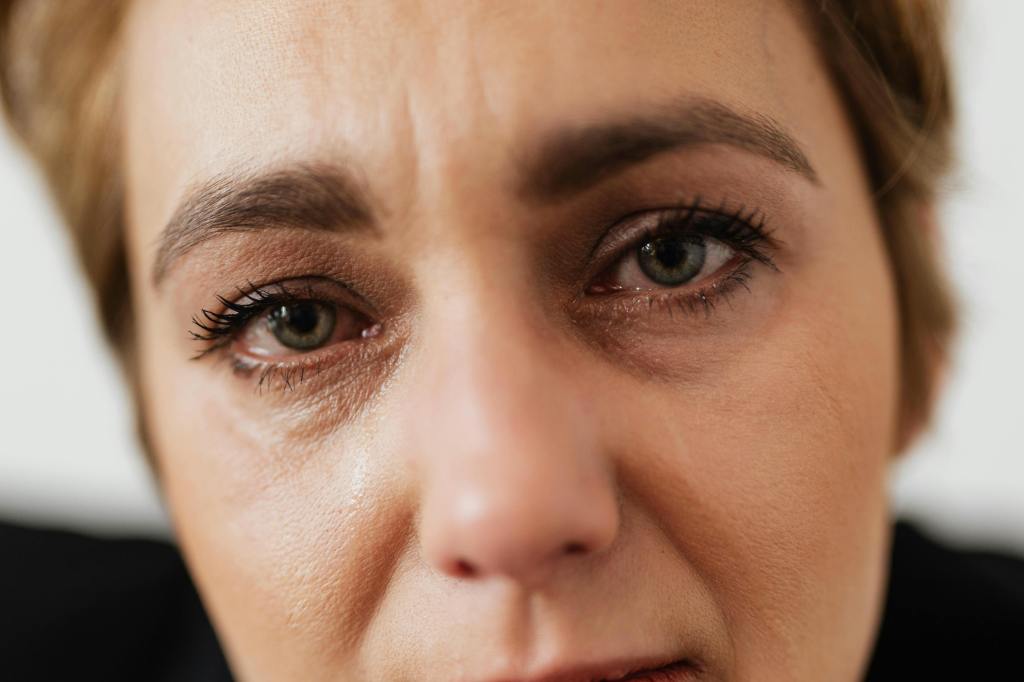
“What we are seeing is essentially a primal trust mechanism being activated,” says Dr. Emmonds. “When we cry in front of another person we are signaling, on a neurological level, that we are safe. That we are not a threat. This goes back approximately 40,000 years to when early humans were huddled together in caves facing genuinely life and death situations every single day. Shared vulnerability was not weakness. It was survival.”
The study, which followed 340 workplace teams across 14 industries over three years, found that teams who had experienced at least one shared crying event, whether triggered by a difficult meeting, a moving presentation, or what researchers termed a “planned vulnerability session,” consistently outperformed teams who had never cried together on every measurable metric including collaboration scores, conflict resolution speed, and quarterly performance reviews.
Dr. Emmonds believes the science comes down to something called Synchronized Limbic Resonance, or SLR. When one person cries, mirror neurons in nearby observers begin firing in response, essentially syncing the nervous systems of everyone in the room.
“Think about the last time someone near you started crying,” Dr. Emmonds explains. “Your body responded before your brain even processed what was happening. That is SLR. And in a workplace context, when that happens between colleagues, it creates a neurochemical bond that no team building exercise, no ropes course, no personality assessment can replicate.”
The research also points to oxytocin, sometimes called the bonding hormone, which is released in significant quantities during crying episodes. In a workplace setting, this oxytocin surge creates what the study calls a “trust imprint” between colleagues, a lasting neurological memory of safety and connection that influences how team members interact for months afterward.
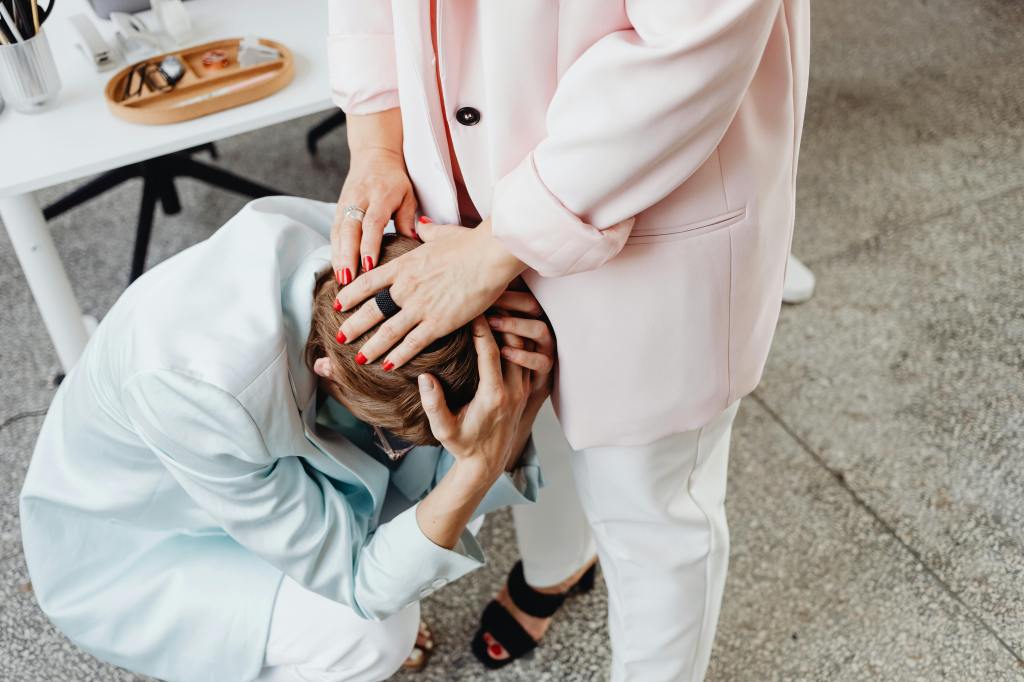
Perhaps most surprisingly, the study found that it did not matter what triggered the crying. Teams that watched a moving video together, teams that shared a difficult moment, and even teams that participated in what researchers called “intentional group crying exercises” all showed the same measurable bond increases.
“The brain does not distinguish between spontaneous and intentional emotional release,” says Dr. Emmonds. “What it registers is simply: I was vulnerable. They were vulnerable. We are safe together.”
So what does this mean for managers and leaders? According to the study, quite a lot. Organizations that create space for emotional authenticity, even in small doses, are building something that no strategy retreat can manufacture: genuine human trust.
As Dr. Emmonds puts it, “The teams that will thrive in the next decade are not the ones who keep it together the best. They are the ones who fall apart together, and then get back to work.”
The full study is available through the Halverson Institute for Workplace Psychology. Dr. Emmonds will be presenting her findings at the 2026 Global Conference on Human Performance in Amsterdam this June.
 Your Muse for Leadership